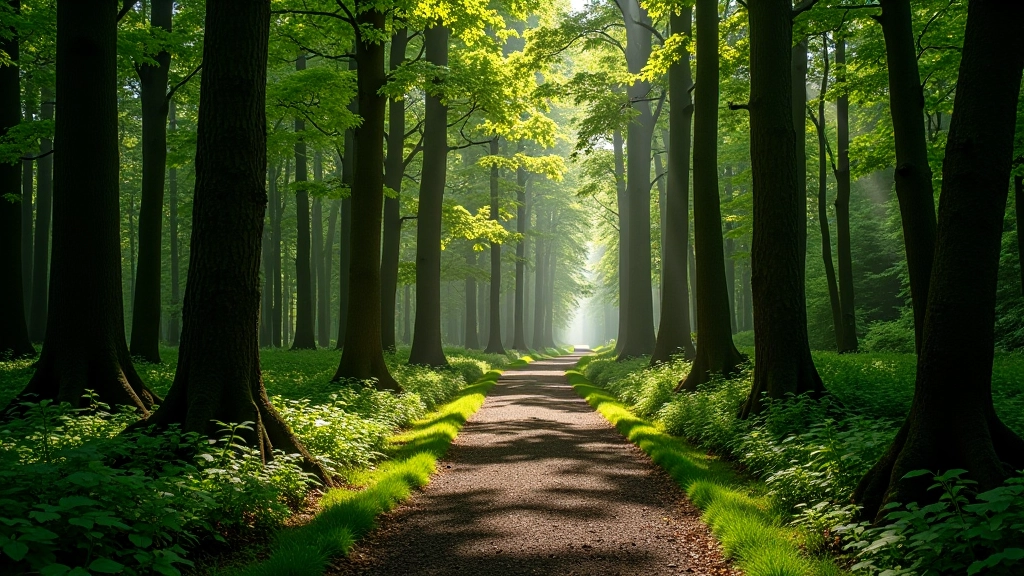
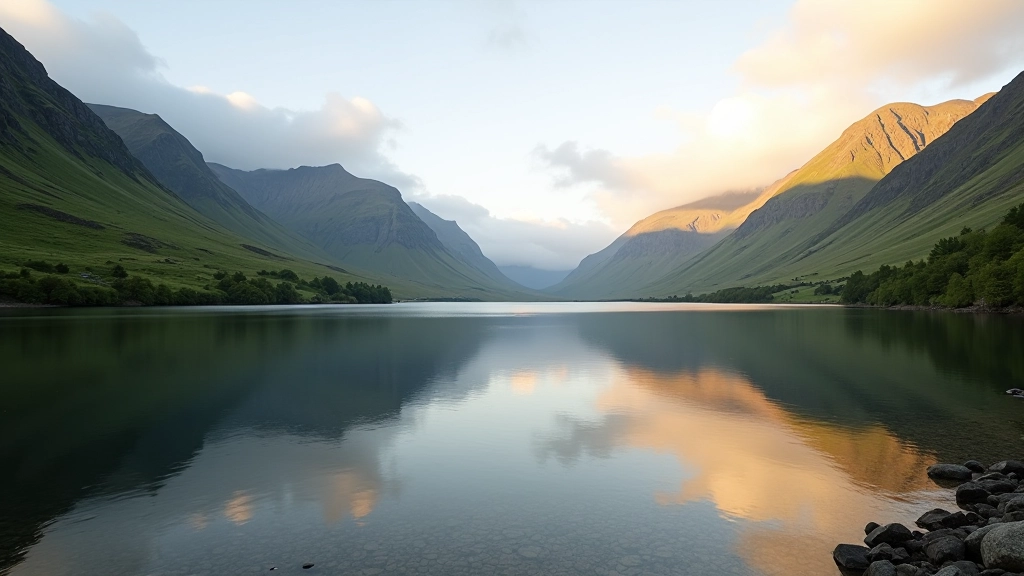
Connemara Lakeside Retreats — Where to Go and What to Expect
Comprehensive guide to the best lakeside locations in Connemara, including practical information about access, facilities, and what to bring.
Discover Ireland’s unique bogland ecosystems, learn why they matter, and explore how to walk these distinctive landscapes responsibly without causing damage to this delicate environment.
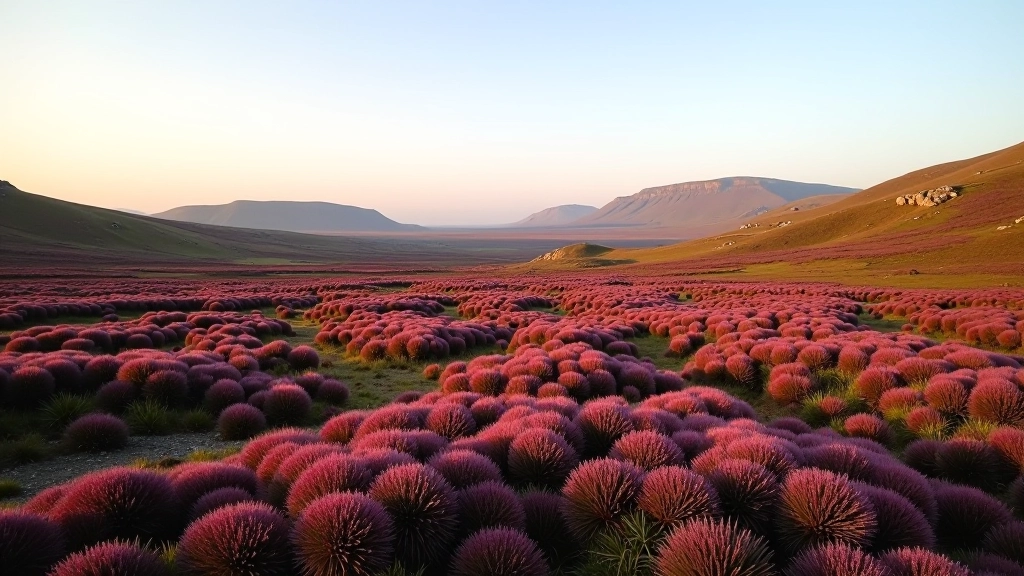
Ireland’s bogs aren’t just empty wastelands—they’re living ecosystems. We’re talking about landscapes that’ve been developing for thousands of years, storing carbon and hosting plants you won’t find anywhere else. These peatlands cover about 17% of Ireland’s land surface, and they’re incredibly important for our climate.
When you walk across a bog, you’re stepping through a story written in layers of decomposed plant material. The spongy ground beneath your feet has accumulated over 9,000 years or more. It’s remarkable, really—but it’s also fragile. Understanding what you’re walking on is the first step to protecting it.
Bogs are formed in waterlogged conditions where plants don’t fully decompose. Instead, they accumulate as peat—a thick layer of semi-decomposed organic matter. This happens because the water keeps oxygen levels low, which prevents normal breakdown. It’s why bogs are sometimes called “nature’s time capsules.”
The plants living on bogs are specially adapted. You’ll find sphagnum moss (the spongy stuff), heathers, and sundews—carnivorous plants that’ve evolved to catch insects in this nutrient-poor environment. Birds like the red grouse and golden plover nest in the heather. Golden eagles hunt across the open expanse. It’s not barren at all—it’s teeming with life adapted to this specific, challenging habitat.
What’s crucial to understand: bogs are carbon stores. Peatlands worldwide store more carbon than all forests combined. When peat is damaged and dries out, it releases that carbon as greenhouse gases. This is why protecting bogs from unnecessary damage isn’t just about preserving nature—it’s about climate action.

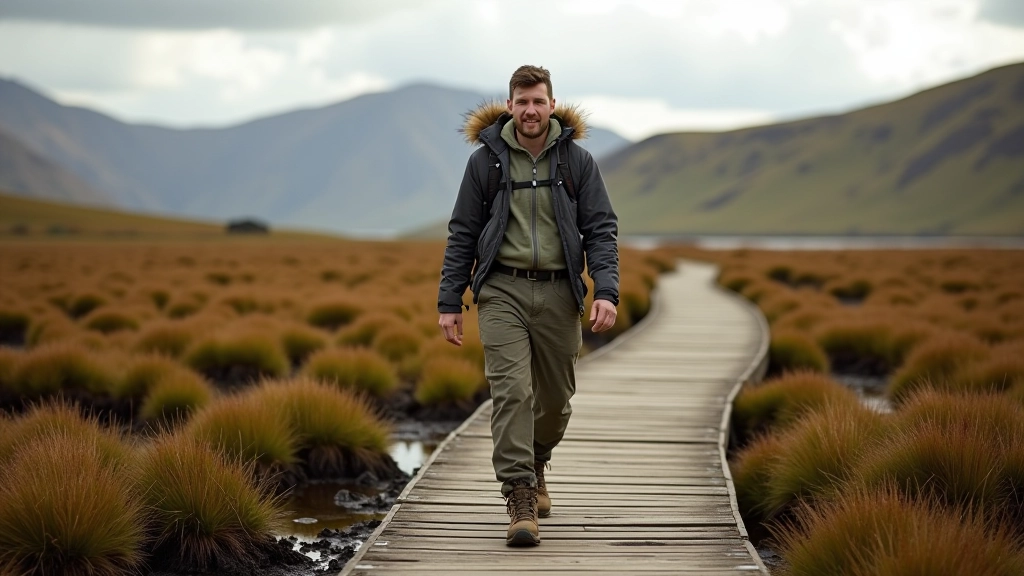
Here’s the thing about bog walking—it’s not difficult if you know what you’re doing. The golden rule is simple: stick to established paths. Most managed bog areas have designated walking routes, and they’re designed to minimize impact. Use them.
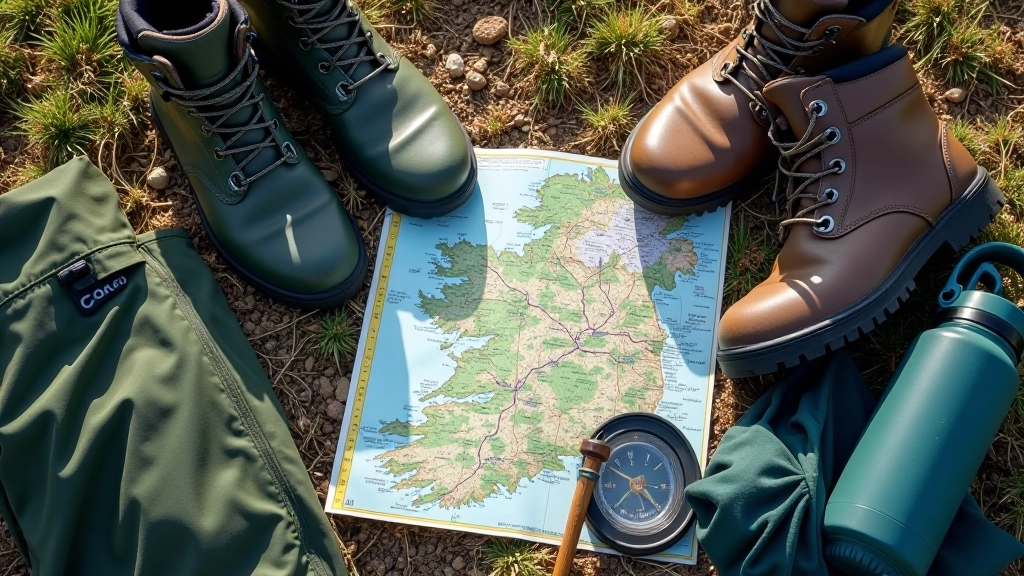
When you’re on a bog, wear proper footwear. Waterproof hiking boots with good grip are essential—not just for comfort but for safety. The ground can be slippery, especially when wet. Test the ground ahead of you with your walking pole before putting your full weight down. Some areas feel firm, others squelch. This variation is normal. Move deliberately and steadily rather than bouncing or jumping.
If you’re walking without a designated path, spread your weight. Don’t walk in single file repeatedly over the same ground—this creates erosion channels. Instead, vary your route. Use stepping stones or rocky areas when available. Your goal is to leave the bog looking like you were never there.
Preparation makes bog walking enjoyable. You’ll want waterproof trousers, not just waterproof boots. The landscape’s wet by nature. A good quality waterproof jacket is non-negotiable—weather can change quickly on open ground with no shelter. Bring layers; you’ll warm up walking, but standing still gets cold fast.
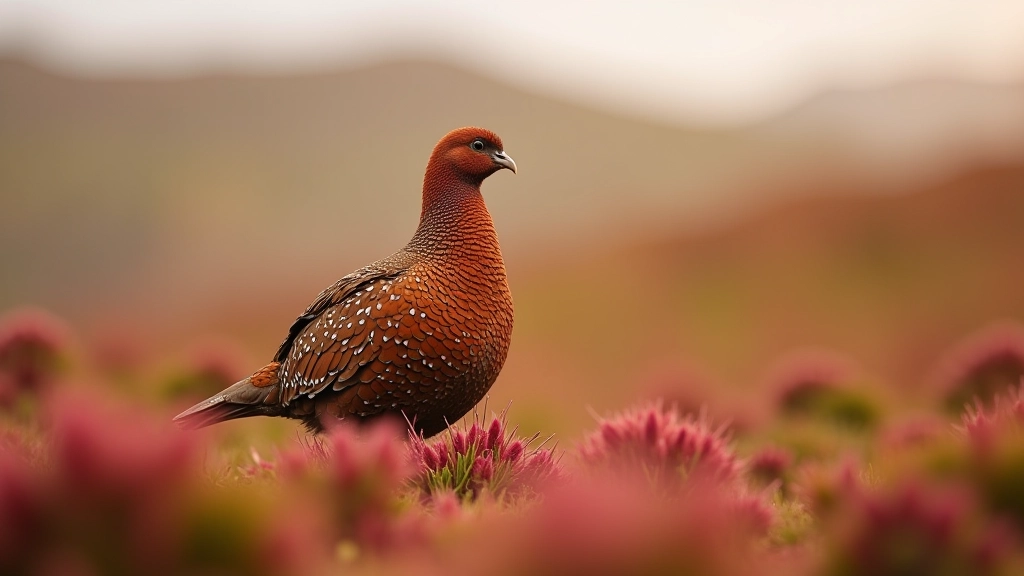
Bogs aren’t crowded places, which is part of their appeal. You might encounter red grouse, mountain hares, or if you’re lucky, a golden eagle. The key is respect—keep your distance from nesting birds, especially during spring and early summer (March through June). Don’t approach wildlife. If you see a bird taking alarm, you’re too close. Back away slowly.
Timing matters. Summer (June through August) is ideal—the ground is firmest, weather’s more predictable, and daylight extends late. Spring brings nesting birds, so stay on paths. Autumn can be magical but gets muddy. Winter’s possible but challenging; snow can hide hazards, and cold compounds hypothermia risk if you get wet.
Don’t underestimate how quickly conditions change. A sunny morning can turn wet and windy by afternoon. Always check weather forecasts, tell someone where you’re going, and bring a whistle just in case. Bogs look open and exposed, but you can get disoriented when visibility drops. Navigation skills matter here.

Bog walking in Ireland isn’t just about enjoying a walk—it’s about connecting with a landscape that’s genuinely unique. These ecosystems have evolved over millennia, and they’re worth protecting. You don’t need special skills or extreme fitness. What you need is preparation, respect, and attention.
Start with established trails in managed bog areas. Places like Connemara or the Wicklow Mountains have excellent bog walking routes. Invest in proper gear. Learn basic navigation. And remember: the best bog walk is one where you leave no trace. Your footsteps should disappear as the bog recovers.
Ireland’s bogs are irreplaceable. They’re carbon stores, wildlife habitats, and part of our national heritage. When you walk responsibly, you’re not just having an adventure—you’re helping ensure these landscapes survive for future generations.
This article provides educational information about Irish bogland ecosystems and general bog walking practices. Conditions vary significantly by location and season. Always check current local conditions, weather forecasts, and any access restrictions before visiting any bog area. Local rangers and visitor centers can provide up-to-date information specific to your chosen location. Bog walking involves natural hazards including soft ground, water, and exposure to weather. Assess your own fitness and experience level honestly. If you’re uncertain about safety, hire a qualified local guide.