
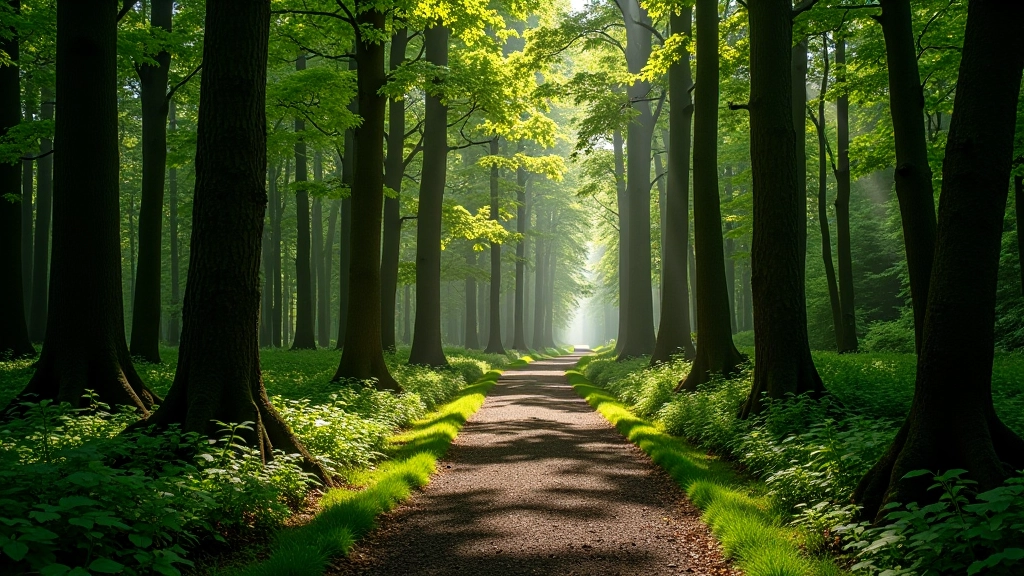
Kerry’s forest parks aren’t just green spaces — they’re ecosystems teeming with life. You’ll find everything from ancient woodlands to modern recreational areas, each with its own character and appeal. Whether you’re into serious hiking or casual nature walks, there’s something here worth exploring.
The forests cover thousands of acres across the county. What makes them special is the variety — you get coniferous plantations alongside native deciduous forests, and the wildlife that comes with both.
The Major Forest Parks
Killarney National Park
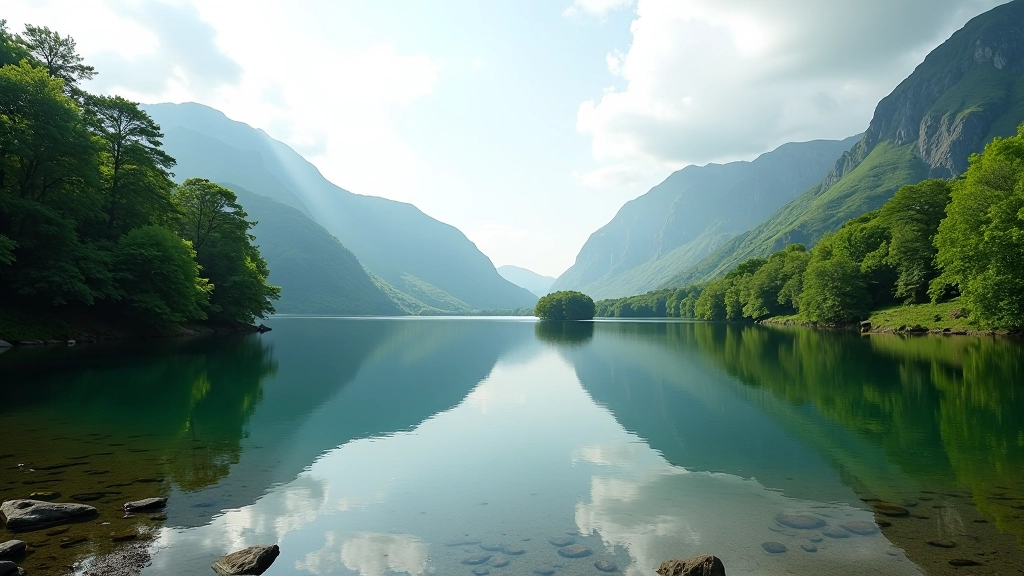
Killarney’s the big one. It spans 25,000 acres and includes native oak and yew forests alongside coniferous plantations. The park’s got three main lakes — Lough Leane, Muckross Lake, and Upper Lake — which you’ll encounter on most walks. You can do anything from a quick 30-minute stroll to serious all-day treks. The famous Muckross House estate sits within the park, so you can combine walking with a bit of history.
Most trails here are well-marked. You’re looking at trails ranging from 2 km easy loops to 15 km mountain routes. The Purple Mountain walk gives you views over the entire valley — takes about 4 hours round trip from the main entrance.
Popular Trails and Routes
What to Expect on the Walks
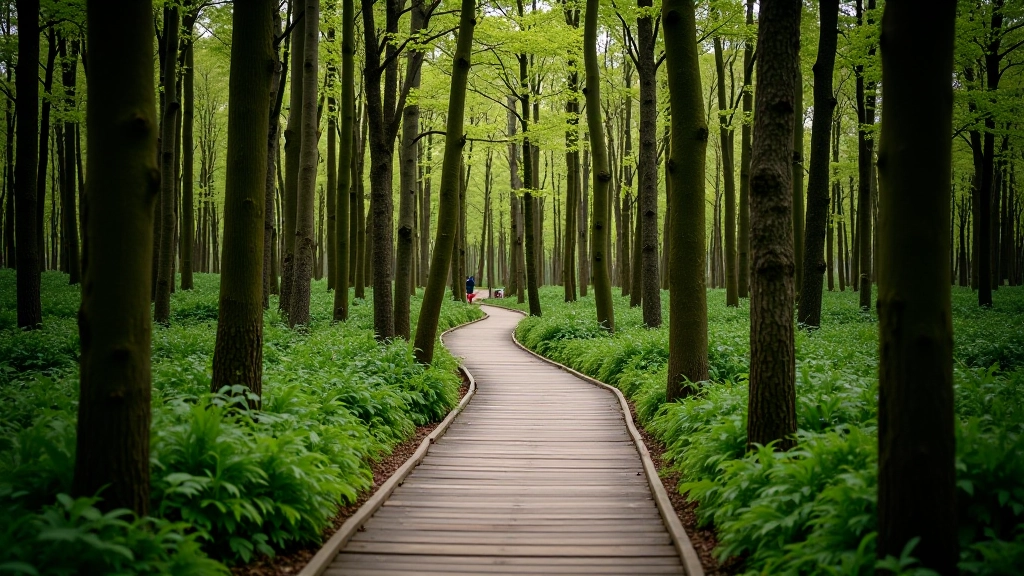
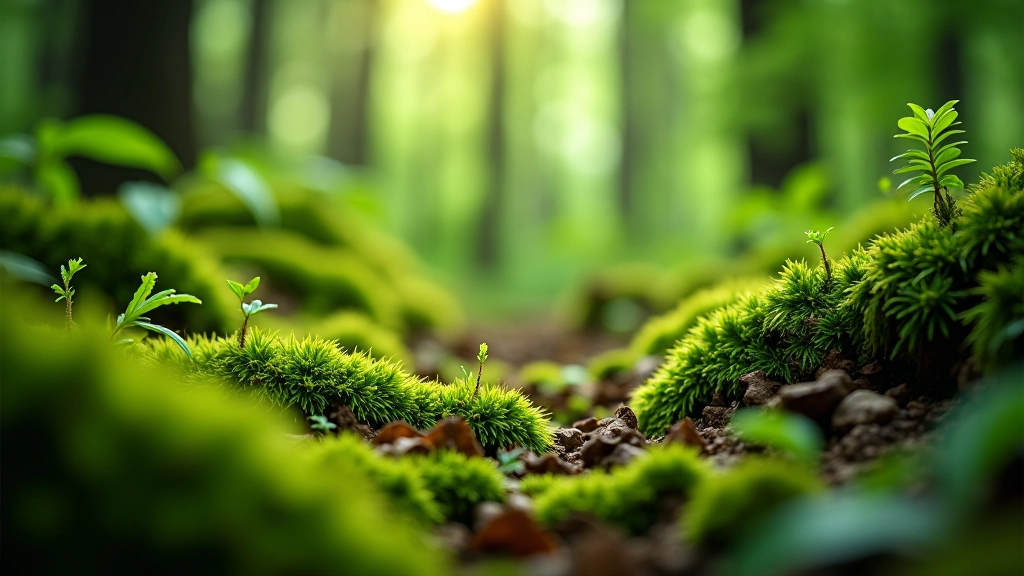
Kerry’s trails aren’t all the same. Some are boardwalks through boggy areas — these stay relatively dry even after rain. Others are rocky mountain paths that’ll test your boots. The forest trails themselves are usually soft underfoot with moss and leaf litter, which is nice but can hide uneven ground. You’ve got to watch your footing in places.
Most established routes have decent signage. Red arrows, yellow blazes, cairns — they’re all in use depending on the park. Don’t rely entirely on markers though. Weather changes fast here. We’re talking about Kerry weather — morning sun doesn’t guarantee afternoon visibility. Cloud cover rolls in quickly on the mountains.
- Torc Mountain: 4-5 hours, moderate difficulty, 900m elevation
- Muckross Lake Loop: 2 hours, easy, flat forest path
- Eagle’s Nest: 3-4 hours, steep climb, spectacular views
- Ross Castle Loop: 1.5 hours, easy, historic site included
Wildlife You Might Encounter
Mammals and Birds
The forests are home to red deer, sika deer, and the occasional pine marten — you’ll hear them before you see them. Red squirrels are around too, though less common than they used to be. Don’t expect to spot much if you’re making noise. Wildlife here is shy. Early morning walks improve your chances, especially in spring and early summer.
Birdwatchers get excited about the golden eagles and white-tailed sea eagles. These aren’t easy sightings — you need patience and decent binoculars. More common are buzzards, ravens, and various woodland songbirds. The lakes attract waterfowl, especially in winter when migratory species arrive.
Plants and Ecology
Native oak forests here are ancient. Some of the yew trees in the park are over 1,000 years old. You’re walking through genuine historical woodland. The coniferous areas are managed plantations — useful for timber production but ecologically different. Underneath the trees you’ll find ferns, mosses, and wildflowers depending on the season. Spring brings bluebells. Autumn gives you fungi everywhere.
What to Bring and How to Prepare
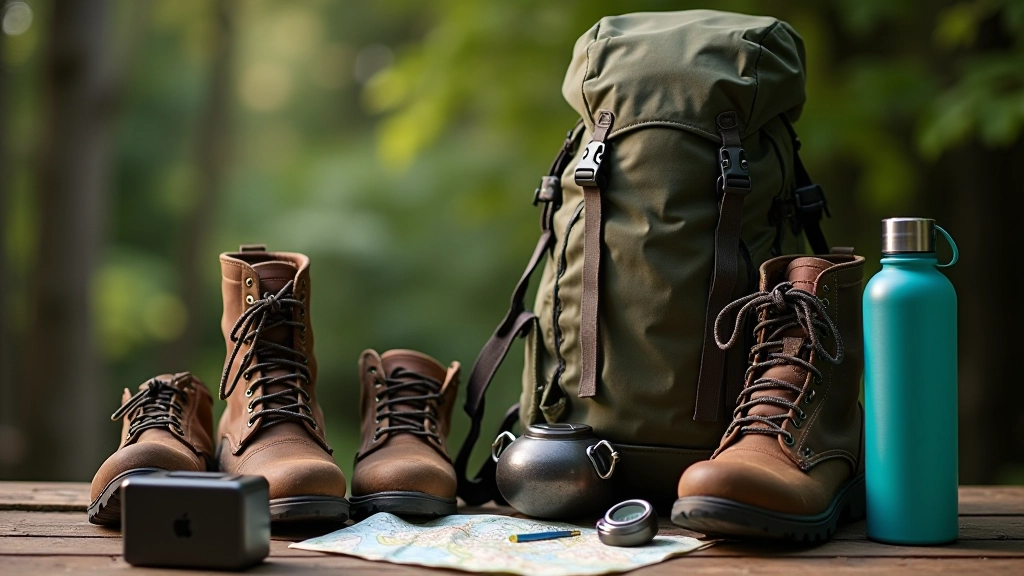
Proper footwear matters. You’re not walking on concrete paths. Boots with good ankle support and waterproof uppers are the minimum. The ground’s uneven, roots catch your feet, and wet moss is slippery. Three-season hiking boots work fine unless you’re going in winter.
Essential Items
- Waterproof jacket and trousers (it rains here, often unexpectedly)
- Layers — fleece or wool, not cotton. Cotton gets cold when wet
- 2+ litres of water, or a way to filter stream water
- Trail map or GPS device (don’t just trust your phone battery)
- Snacks — energy bars, nuts, fruit. You’ll burn calories
- Sun protection even on cloudy days (UV still gets through)
- Basic first aid — blister treatment at minimum
- Headtorch if you’re out in evening or winter light
Timing matters. Summer’s obvious — long daylight and warmer temps. But spring and autumn are actually better for walking. Fewer midges, clearer air usually, and you’re not fighting tourist crowds. Winter’s doable if you’re experienced and respect the weather. Dark at 4pm though, which limits your options.
Getting Started in Kerry’s Forests
Kerry’s forest parks are accessible and rewarding. You don’t need extreme fitness to enjoy them — there are genuinely easy walks for casual explorers. But they’re also serious enough for people who want real hiking challenges. The wildlife’s there if you’re patient, the scenery’s constantly changing, and the trails themselves range from pleasant strolls to genuine adventures.
Start with something manageable. Pick a popular trail, go prepared, and pay attention to the weather. You’ll quickly get a feel for what works for you. Come back in different seasons — the same forest feels completely different in spring versus autumn. That’s when you start understanding why these places matter.

Disclaimer
The information provided in this guide is intended for educational purposes. Weather conditions, trail conditions, and wildlife behavior can change without notice. Always check current conditions before visiting forest parks, and follow all posted signs and local regulations. Hiking and forest exploration carry inherent risks — proper preparation, appropriate fitness levels, and good judgment are essential. If you’re unfamiliar with outdoor activities, consider going with an experienced guide or group. This guide doesn’t replace professional outdoor instruction or local expert advice.