Atlantic Coastal Picnic Spots — Best Locations and Planning Guide
Discover Ireland’s most stunning coastal picnic locations, from hidden coves to dramatic clifftop views. Learn where to go, what to expect, and how to plan the perfect seaside meal.
Why the Atlantic Coast Is Worth the Trip
Ireland’s Atlantic coastline isn’t just beautiful — it’s transformative. There’s something about sitting by the ocean with fresh air, good food, and nothing but time ahead that shifts how you see things. We’ve spent years exploring these spots, and we’re sharing what we’ve found.
The best coastal picnic spots aren’t always the most famous ones. Some are tucked into quiet villages you’ll drive through twice before finding them. Others sit right beside major roads but somehow stay peaceful. What they have in common? They’re places where you’ll actually want to linger.
Whether you’re planning a quick lunch break or an afternoon adventure, understanding the landscape helps. You’ll want to know about tides, weather patterns, parking, and what facilities exist. That’s what this guide covers — the practical stuff that makes the difference between a great picnic and a frustrating one.
Quick Facts About Coastal Picnicking
- Best season: May through September for reliable weather
- Coastal winds: Expect 15-25 km/h on average — bring a windbreak
- Tides matter: Check tide times before visiting beach spots
- Access varies: Some spots require 5-minute walks, others are car-side
The Best Spots: What We Recommend
These aren’t ranked by popularity — they’re ranked by experience. Each offers something different, whether that’s solitude, facilities, or dramatic views.
Doolin Cliff View & Beach Access
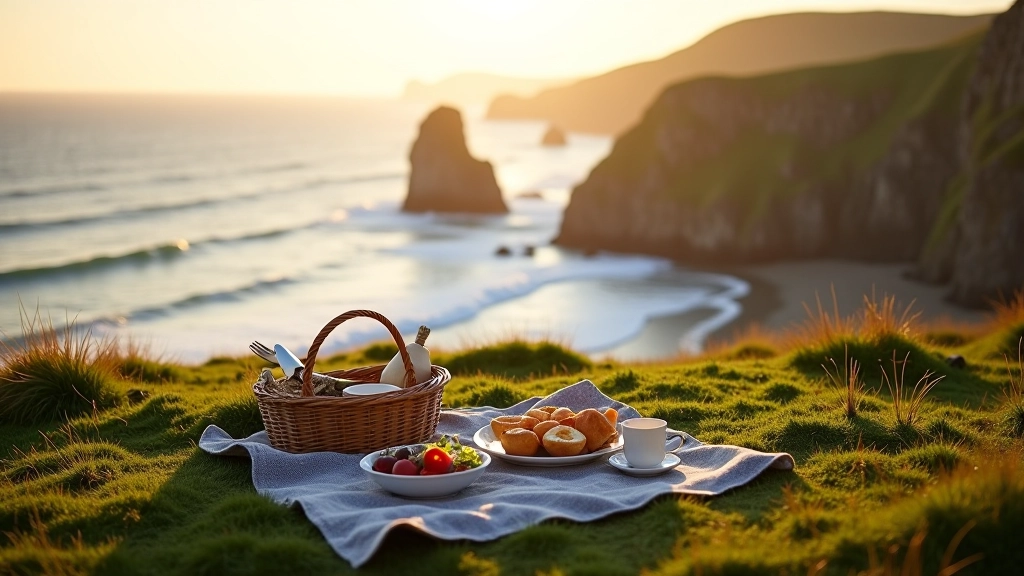
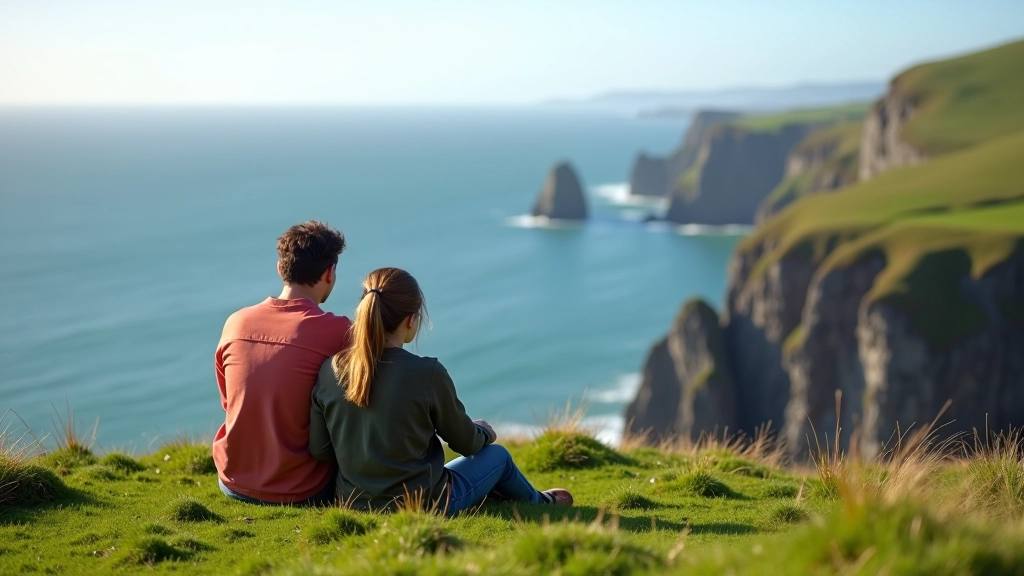
Doolin sits on the edge of the Burren in County Clare, where the landscape shifts from limestone plateaus to dramatic sea cliffs. The village itself is small but has a few cafés and shops. What makes it work for picnicking? You’ve got options. The clifftop walk gives you those heart-stopping views — you’re standing 214 meters above the Atlantic. Down at beach level, there’s sand and stone with easier access.
The walk from village to cliff takes about 15 minutes. It’s not difficult, but there’s no shade and the wind can be fierce. Bring layers. If you’re going to the beach, there’s a small car park (2, though it’s honor system), and from there it’s a gentle 5-minute walk. The beach is pebbly with some sand, and it’s where locals actually eat lunch.
Best for: People who want views without extreme hiking. Families appreciate the beach option. Summer crowds peak around 1-2pm, so go early or after 4pm.
What Facilities Actually Exist
Let’s be honest — most Atlantic coastal spots don’t have much infrastructure. That’s part of the appeal, but it’s also something to plan around.
Understanding What You’ll Find
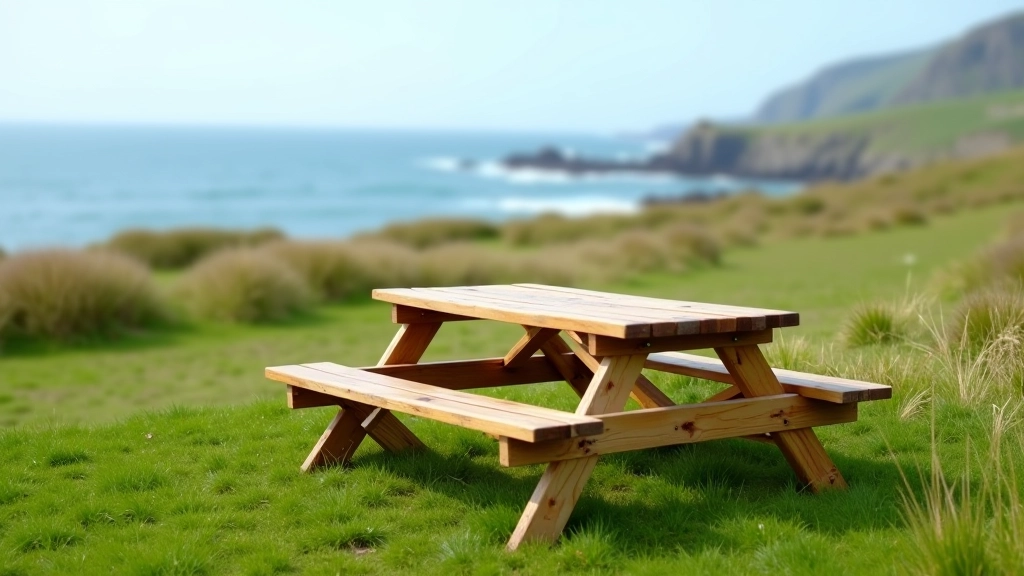
Most popular spots have basic parking. Some charge 2-5, others are free. A few have actual picnic tables — if there’s one available, it’s usually on a first-come basis. Toilets exist at maybe 40% of locations, and when they do, they’re often seasonal (May-September). Water fountains? Rare. Bins? Sometimes, though they fill up quickly on weekends.
What this means practically: Bring your own water, pack out what you pack in, and don’t rely on toilets unless you’ve checked ahead. Many people use apps like iEverywhere to map facilities, or simply call the local village tourist office.
The spots without facilities are often the quietest. If solitude matters more than convenience, that’s actually an advantage. You’re trading picnic tables for peace.
Planning Your Coastal Picnic: Practical Checklist
Before You Leave Home
Check the weather forecast — not just temperature, but wind speed. Atlantic coastal winds aren’t polite. 25 km/h gusts will flatten your napkins and make eating difficult. Also check tide times if you’re heading to a beach spot. You don’t want to discover at 2pm that high tide covers your parking area by 3pm.
Pack a windbreak — it’s the difference between eating outdoors and eating in your car. Bring water. Bring sunscreen even if it’s cloudy. The reflection off the ocean intensifies UV. And don’t underestimate how much warmer you’ll feel when sitting still with ocean wind. Layer up more than you think necessary.
Food-wise, think about what actually works in wind. Sandwiches are solid. Loose items like salads or anything crumbly will scatter. Thermoses for hot drinks work great because you’re getting cold wind regardless of air temperature.
Essential Packing List
Understanding Atlantic Weather
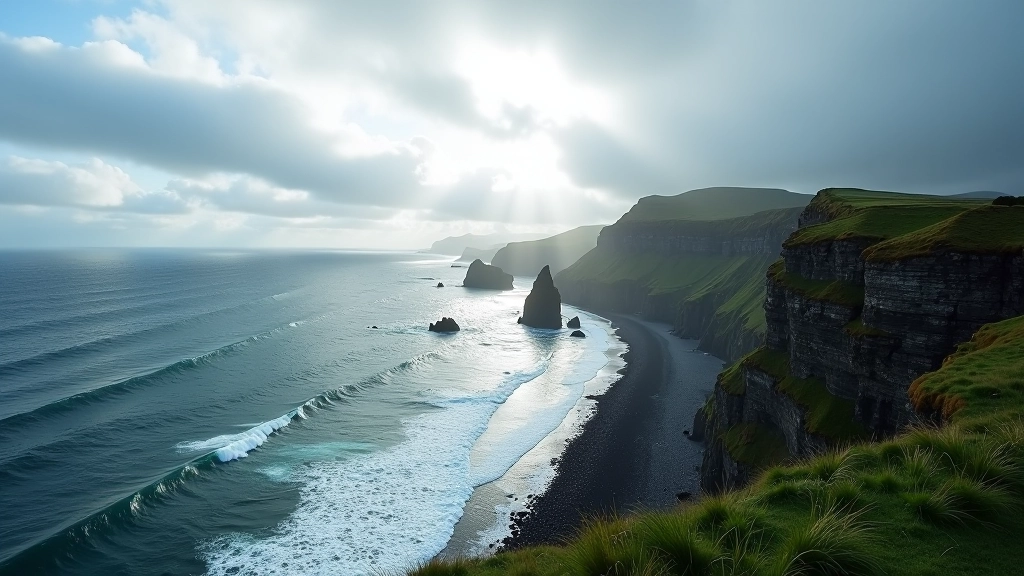
Atlantic weather changes fast. You can leave your accommodation in sunshine and arrive at your picnic spot in drizzle. This isn’t pessimism — it’s just how it works. The ocean influences everything.
Summer months (June-August) are warmest, but you’ll still see rain. May and September are actually brilliant — fewer tourists, stable weather patterns, and temperatures around 15-18C. Mornings are cool, afternoons are pleasant. October through April? You’re dealing with serious Atlantic storms. Winds regularly hit 40+ km/h, and rain is persistent. If you’re picnicking in winter, you’re doing it for the solitude and drama, not comfort.
One thing people underestimate: even on sunny days, the ocean stays cold. You won’t want to swim (water temps: 8-12C year-round), but the psychological warmth of seeing blue sky over blue water is significant.
Real Tips From People Who’ve Done This
Not generic advice. Actual lessons learned from spending time at these spots.
Arrive Early, Stay Late
Popular spots fill up by noon on weekends. Get there by 10am if you want parking and solitude. Or go after 4pm when day-trippers leave. You’ll have the place to yourself, and the light is often better anyway.
Face Away From the Wind
This sounds obvious but people miss it. Position yourself so the wind hits your back, not your face. You’ll eat better, your food will stay on the plate, and you’ll actually enjoy yourself instead of fighting the elements.
Bring More Water Than You Think
Wind dries you out. The sun reflects off the water. You’ll be thirsty faster than at home. Two liters per person is reasonable. You won’t regret having extra.
Scout Spots in Off-Season
Visit in April or October when it’s quiet. You’ll see the spot without crowds, understand the terrain, and know exactly what to expect when you return in peak season.
The Best Photos Happen at Golden Hour
Sunset light on the ocean is unreal. If you’re going for the aesthetic, plan to arrive around 5-6pm in summer. The light will be soft, the colors dramatic, and most tourists will be leaving.
Leave No Trace, Really
Pack out everything — including fruit peels and napkins. These spots stay beautiful because people respect them. You’re not just cleaning up for the next person; you’re preserving something that matters.

The Point of It All
Coastal picnicking isn’t about having the perfect meal in the perfect weather. It’s about showing up, bringing decent food, and sitting somewhere that matters. Ireland’s Atlantic coast is dramatic and real. It’ll challenge you a bit — the wind, the cold ocean, the unpredictable weather. But that’s what makes it work.
You don’t need expensive gear or extensive planning. You need water, layers, and a willingness to eat a sandwich while the ocean throws its weight around. Everything else is details.
These spots will still be here next month. They’ll still be beautiful. The question is whether you’ll go. Pick one, check the tide times, pack your windbreak, and spend an afternoon by the Atlantic. You’ll understand why people come back.
Information Disclaimer
This guide provides educational information about coastal picnicking in Ireland based on general knowledge and typical conditions. Weather, facilities, access, and tides change frequently and can vary significantly. Always check current weather forecasts, tide times, and local conditions before visiting any location. Some spots may have seasonal closures or access restrictions not mentioned here. Coastal environments present inherent risks — use caution near cliffs, water, and changing weather. This information is not a substitute for local knowledge or professional guidance. Visit official tourism websites or contact local visitor centers for current, detailed information about specific locations.